Roof Cleaning vs Roof Damage: Know the Safer Approach
A clean roof can improve your home’s appearance, but the wrong cleaning method can cause more problems than it solves. For Glenelg homeowners, coastal salt, windblown sand, leaf debris and biological growth make roof care important. The safest approach starts with identifying the roof material and its condition—not choosing the most powerful pressure washer.
When Does a Roof Need Cleaning?
Leaves and debris can obstruct gutters and roof drainage, while moss can hold moisture against roofing surfaces. Algae and lichen may also affect appearance, although staining alone does not mean a roof is failing. Cleaning should address a genuine maintenance need rather than remove every mark at the expense of the roof’s protective surface.
Glenelg’s coastal setting also makes corrosion checks worthwhile, particularly around metal roofing, fixings and flashings. Cleaning does not repair rust, cracked tiles or failed seals; these issues need separate assessment.
How Roof Cleaning Can Cause Damage
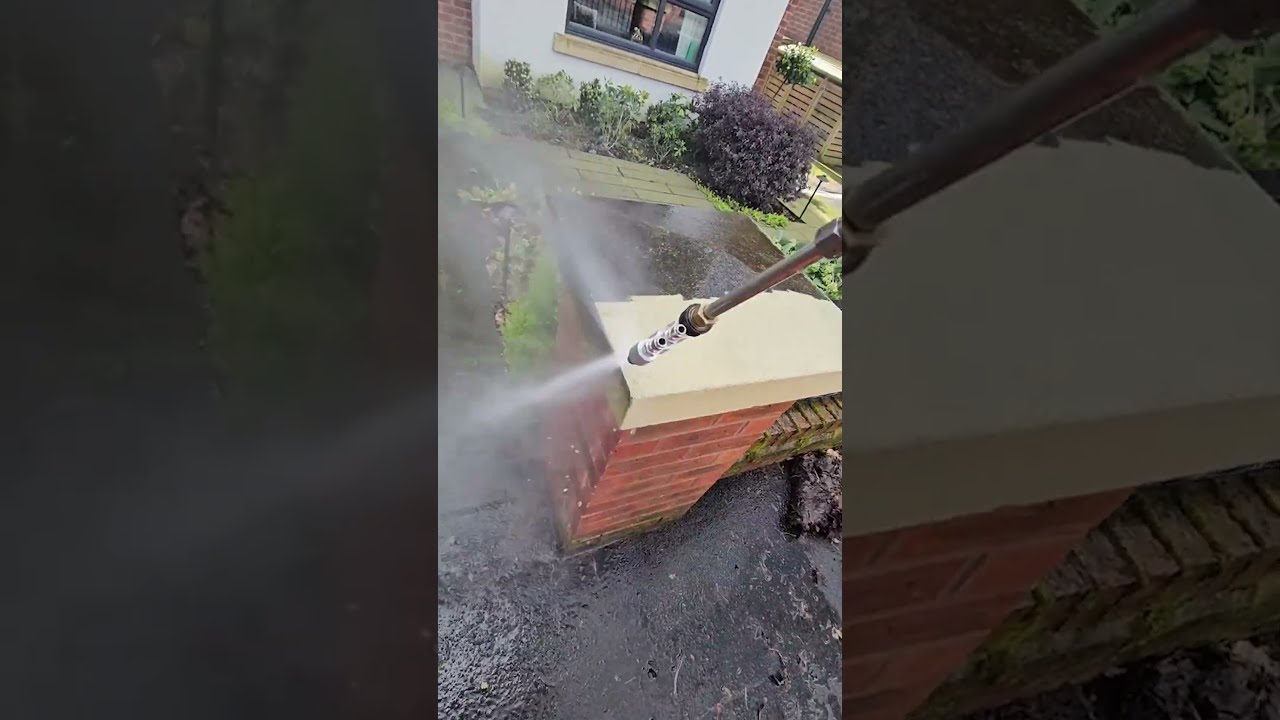
Excessive water pressure can damage tile coatings, disturb mortar and force water beneath roof coverings. On metal roofs, unsuitable chemicals or abrasive tools can damage protective finishes. Walking on fragile tiles can cause cracks, while poorly managed runoff can harm plants or contaminate rainwater tanks.
Low-pressure cleaning is not automatically risk-free. Chemical strength, application technique, roof condition and rinsing requirements all matter. A method suitable for one roof may be inappropriate for https://glenelgpressurecleaning.com.au/sanitation-cleaning/ another.
Choose the Method That Suits Your Roof
Concrete and Terracotta Tiles
Check for cracked tiles, loose ridge capping and deteriorated pointing before cleaning. Follow the tile manufacturer’s maintenance guidance and avoid aggressive treatment of weathered surfaces. Repairs should generally come before cleaning where water entry is possible.
Metal Roofing
Use cleaning products and equipment compatible with the roof’s coating. Gentle washing may be appropriate, but persistent staining or corrosion needs assessment rather than harder scrubbing. Avoid directing water into laps, penetrations or roof vents.

Older or Suspected Asbestos Roofing
If an older roof may contain asbestos cement, do not pressure-clean, scrub or otherwise disturb it. High-pressure water cleaning of asbestos-containing materials is prohibited in South Australia. Arrange assessment by a suitably qualified asbestos professional before considering maintenance.
A Safer Roof-Cleaning Checklist
- Inspect first: Check for leaks, damaged roofing, corrosion and blocked drainage before selecting a treatment.
- Confirm compatibility: Ask which products and methods suit your roof material, coating and warranty requirements.
- Protect drainage: Arrange appropriate runoff control and isolation of connected rainwater tanks before chemical treatment.
- Check access safety: Choose a contractor with suitable insurance, safe access equipment and fall-protection procedures.
- Request a written scope: Confirm repairs, cleaning methods, plant protection and any follow-up treatment before work begins.
Protect Your Glenelg Roof Without Overcleaning
Inspect your roof from ground level after severe weather and keep gutters clear using safe access methods. Avoid climbing onto the roof yourself. Cleaning frequency should reflect nearby trees, coastal exposure, roof condition and manufacturer guidance—not an automatic annual schedule.
When arranging roof cleaning in Glenelg, ask for a condition assessment before accepting a quote. A responsible contractor explains when gentle cleaning is appropriate—and when repair, specialist assessment or leaving the surface undisturbed is the safer choice.
Glenelg Pressure Cleaning
Unit 3/2-4 Byre Ave, Somerton Park SA 5044
(08) 7282 0893