A Practical Guide to Pressure Cleaning Sandstone Pavers
Sandstone is https://glenelgpressurecleaning.com.au/roof-cleaning/ one of the most sought-after natural stone materials for outdoor entertaining areas, pool surrounds, and garden pathways across coastal Adelaide. In suburbs like Glenelg, the combination of ocean breezes, airborne sea salt, and seasonal rainfall creates distinct maintenance challenges for property owners. While sandstone delivers a warm, timeless aesthetic, it is also a porous sedimentary rock that requires precise care. Incorrect cleaning methods can easily degrade the surface texture, erode mortar joints, and cause permanent gouging.

Understanding Sandstone in Coastal Glenelg
Sandstone consists of mineral particles bonded by natural silica, calcium carbonate, or iron oxides. In coastal environments like Glenelg, sea mist deposits microscopic salt particles deep into the stone pores. As water evaporates, these salt crystals expand—a process known as subflorescence—which weakens the stone structure over time. Additionally, shaded patios and courtyards frequently develop dark algal blooms, lichen, and moss during wet winters, creating slippery surfaces and discoloration.
Because sandstone is comparatively soft, aggressive high-pressure washing can strip away the stone's protective outer layer, leaving it pitted and increasingly vulnerable to future staining and organic growth. Applying the correct balance of chemical pre-treatment, water volume, and controlled pressure is essential for safe restoration.
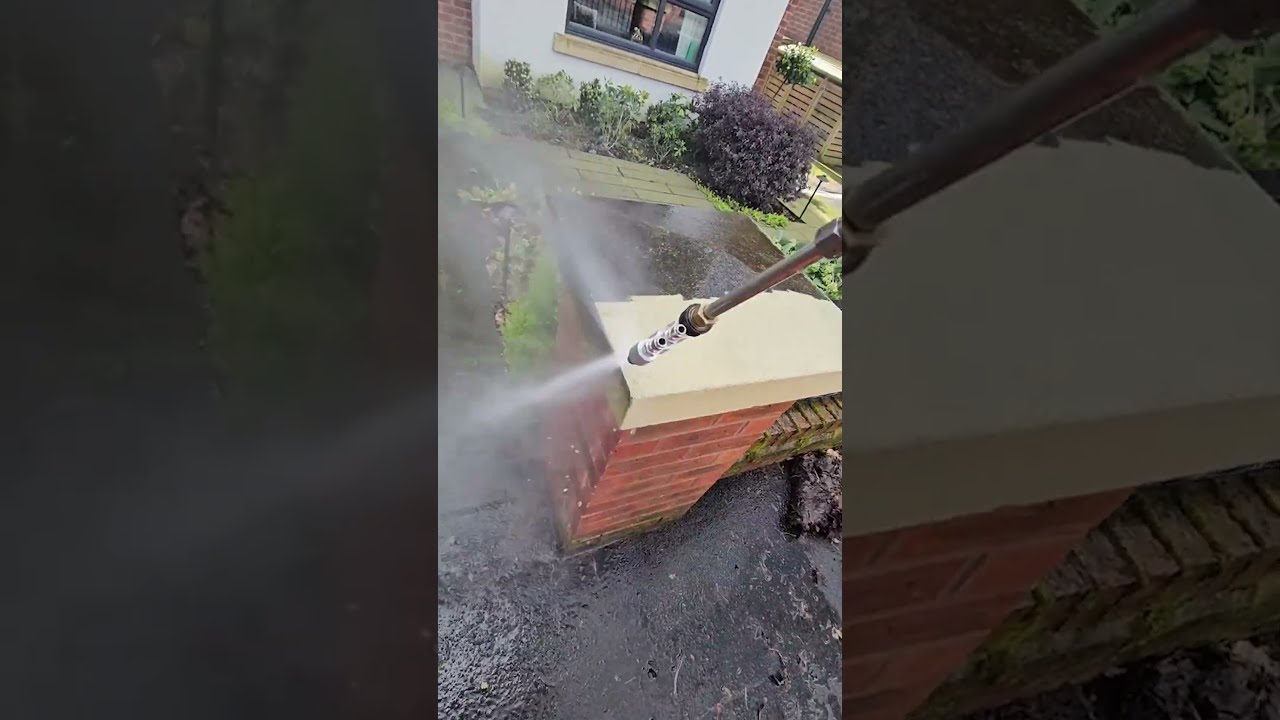

Step-by-Step Sandstone Cleaning Methodology
Safe and effective pressure cleaning relies on proper equipment calibration and careful technique rather than sheer blast force. Standard residential pressure washers often exceed the recommended pressure thresholds for natural stone unless fitted with pressure regulators and wide fan nozzles.
- Site Preparation and Clearing: Remove all outdoor furniture, planters, and debris. Sweep the surface thoroughly with a stiff-bristled broom to eliminate loose sand, grit, and organic matter that could scratch the pavers under water pressure.
- Chemical Pre-Treatment: Apply a specialized, biodegradable masonry cleaner or pH-neutral algaecide across the pavers. Allow the solution to dwell for 15 to 20 minutes to break down moss, mould, and embedded salt deposits without letting the solution dry out.
- Calibrated Pressure Washing: Utilize a machine set between 1,000 and 1,500 PSI paired with a 25-degree or 40-degree wide fan tip. Hold the spray lance at a 45-degree angle, maintaining a distance of at least 30 centimetres from the surface to distribute the water impact evenly.
- Rotary Surface Cleaners: For large outdoor patios and driveways, an enclosed rotary surface cleaner provides uniform pressure and prevents the visible stripe patterns that often result from standard wand cleaning.
- Rinsing and Joint Inspection: Rinse the entire area thoroughly with fresh, low-pressure water to wash away loosened dirt and chemical residue, then inspect the grout lines for sand loss.
Crucial Rules for Protecting Sandstone Pavers
Maintaining the structural integrity and aesthetic value of natural sandstone demands consistent adherence to safe washing protocols. Avoiding common operational errors ensures pavers remain clean without suffering physical degradation.
- Never use zero-degree or turbo nozzles: Concentrated pinpoint jets deliver excessive force that will etch grooves into soft sandstone and fracture weakened edges.
- Avoid harsh acid-based cleaners: Hydrochloric acid and strong chemical washes chemically dissolve the binding agents within natural sandstone, leading to rapid crumbling and severe discolouration.
- Direct spray away from paver joints: Blasting water directly into joint gaps displaces bedding and polymeric sand, which undermines paver stability and encourages future weed growth.
- Re-sand joints after thorough drying: Once the cleaned area has dried completely over 24 to 48 hours, sweep kiln-dried sand or flexible polymeric sand into the gaps to re-stabilize the installation.
Long-Term Sealing and Maintenance Considerations
Following a deep clean, applying a breathable, penetrating sealer is the most effective way to protect sandstone against the marine climate in Glenelg. Modern fluoropolymer-based penetrating sealers sit beneath the stone surface rather than forming a plastic film over it. This allows internal moisture and salt vapour to escape while repelling liquid water, red wine, barbecue grease, and organic stains. Routine maintenance, such as regular sweeping and prompt spot rinsing, will preserve the stone and extend the time required between comprehensive pressure washing treatments.
Glenelg Pressure Cleaning
Unit 3/2-4 Byre Ave, Somerton Park SA 5044
(08) 7282 0893